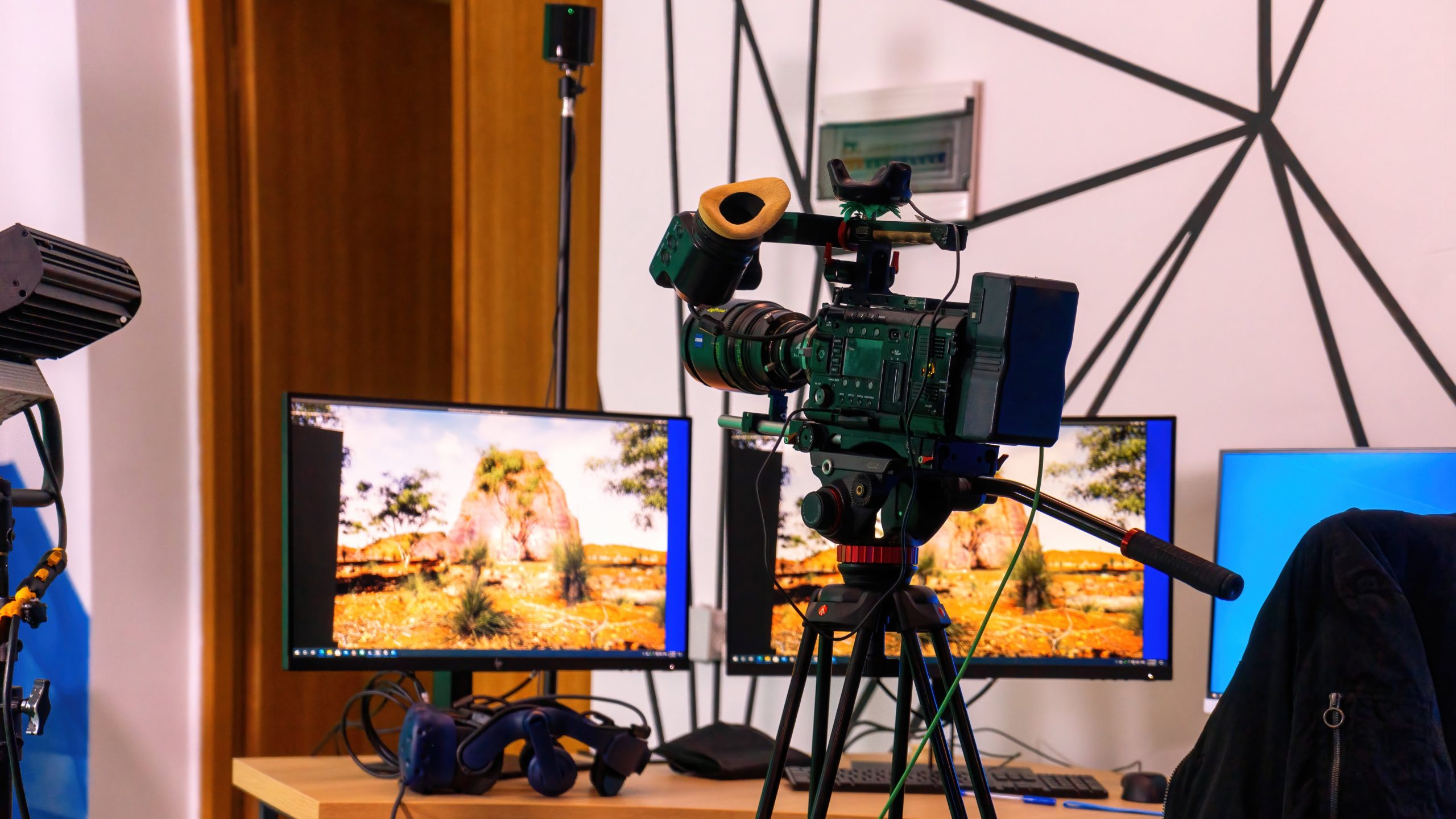
As the popularity of live events on online and television media increases, outside broadcasting has become an essential component of the production of media today. Outside broadcasting enables the live broadcasting of various events such as sports, business meetings, religious events, and concerts in locations that are not normal broadcasting studios. With proper live streaming services, an organization can reach people instantly, irrespective of their location in the world.
This blog will discuss what outside broadcasting entails, how it operates, the tools applied, and its relevance in today’s media.
What Is Outside Broadcasting?
Outside broadcasting (OB) is the process of creating and broadcasting videos and audio from a location that is not a TV or recording studio. Rather than taking people to a TV studio, we bring all the equipment needed, such as cameras and sound systems, directly to the location of the event.
Outside broadcasting is commonly used for live events where it is necessary to record everything that is happening. The final show can be broadcast through satellites, fiber-optic cables, or internet live streaming services, depending on the location of the show and who is watching it.
How Outside Broadcasting Works
A typical outside broadcasting workflow involves four key stages:
1. On-Site Capture
For recording quality audio and video at the event, professional cameras and microphones are used. To provide a variety of shots for viewing convenience, several camera setups are frequently utilised.
2. Live Production
With the use of specialized equipment referred to as vision mixers and audio consoles, a live production team combines text, graphics, audio, and video. This enables a seamless live production as it occurs.
3. Encoding and Transmission
The live video is transmitted through satellite connections, dedicated fiber-optic cables, or internet live streaming services platforms. Additional lines are sometimes employed to ensure that the live broadcast is not interrupted.
4. Distribution
The video is transmitted to television stations, websites, social media platforms, or personal streaming platforms for viewers to access the live video or watch it later at their convenience.
Key Equipment Used in Outside Broadcasting
Professional outside broadcasting needs specialized equipment, including:
- Broadcast or PTZ cameras.
- Microphones and audio mixing consoles.
- Video switchers and monitoring systems.
- OB vans or portable flyaway kits.
- The transmission systems can be satellite, fiber, or bonded cellular communications.
A stable power source and alternative connectivity are essential for broadcast stability.
Outside Broadcasting vs Live Streaming Services
Even though these two concepts are normally used together, they do different things. Outside broadcasting is all about creating content from particular locations and managing the technicalities involved. Live streaming services are all about streaming content over the internet, reaching a large number of people, and making it easy for people to access and watch. They provide a complete functional solution for live content streaming.
Common Applications of Outside Broadcasting
Outside broadcasting has many applications in various sectors, such as:
- Sports broadcasting: Live coverage of sports events.
- Corporate events: Business meetings, presentations, and the launching of new products.
- News and media: Newest news and coverage from the ground.
- Religious and cultural events: Live speeches, celebrations, and gatherings.
- Entertainment: Music programs, award functions, and live events.
Benefits of Outside Broadcasting
Outside broadcasting provides quality broadcasting, the capacity to reach a large number of people, and the capacity to view live programs. Through the use of live streaming services, organisations are able to reach people from both close and far regions while maintaining good technical standards.
Conclusion
Outside broadcasting is an important solution for live program broadcasting from any location. With the application of modern live streaming services technology, broadcasting has become easier, more flexible, and more successful as technology improves. In the modern age of media technology, BlueSky Production’s outside broadcasting is a significant solution for organisations that seek to reach a large audience, do so quickly, and provide quality broadcasting.
Blue Sky Production delivers top-quality outside broadcasting and live streaming services worldwide, flawlessly.
FAQs
1. What Are The Three Types Of Broadcasting?
A: Terrestrial, satellite, and cable broadcasting.
2. What Are The Advantages Of Outside Broadcasting?
A: Real-time coverage, professional production quality, audience engagement, and wider reach.
3. What Skills Are Needed For Broadcasting?
A: Camera operation, audio/video editing, live production, communication, and technical troubleshooting.
4. What Are The 4 Broadcast Networks?
A: ABC, CBS, NBC, FOX (U.S. major networks).
5. What Is The Difference Between Broadcasting And Live Streaming?
A: Broadcasting transmits via TV/radio; live streaming delivers content online over the internet in real time.